
Automotive parts data: Fix fitment with ACES standards
Fitment accuracy dictates survival in the automotive aftermarket. The industry no longer tolerates manual catalog errors. It demands rigid adherence to ACES and PIES data standards to capture share from dominant marketplaces. DCi data standards eliminate thousands of hours of manual entry by normalizing content from more than 200 manufacturers. We dissect the architecture required to keep 1.5 million SKUs current without human intervention, ensuring every part links to the correct Year/Make/Model. Finally, we detail the deployment of fitment-accurate stores that use PartsLogic search to reduce returns and accelerate time to market for B2B and B2C commerce.
Scalable growth requires discarding legacy workflows. Direct integrations handle complex attributes like weights, dimensions, and feature points automatically. By relying on established partnerships like the one between Web Shop Manager and DCi, retailers bypass months of data gathering. Your store must evolve from a static list into a flexible, self-updating engine that reflects real-time catalog changes from providers like ARI companies.
The Role of DCi Data Standards in Modern Automotive eCommerce
Defining DCi Aftermarket Parts Data and ACES/PIES Standards
DCi aftermarket parts data operates as a normalized catalog exceeding 1.5M SKUs, serving as the core inventory layer for KZMALL Auto Parts solutions. This structured dataset adheres strictly to ACES and PIES industry standards to eliminate fitment ambiguity in digital commerce. The Aftermarket Catalog Exchange Standard manages fitment data for over 60,000 vehicle combinations, enabling precise Year/Make/Model compatibility across light, medium, and heavy-duty vehicles via industry standards. Rich content attributes including pricing, descriptions, feature points, images, weights, and dimensions populate each record to support accurate online representation.
Static file exchanges introduce latency when manufacturers update interchange data or discontinue legacy components. Operators face a binary choice: immediate catalog accuracy or the stability of batch-processed updates. Retailers risk selling obsolete inventory if synchronization intervals exceed manufacturer release cycles. Raw data access requires an automated normalization engine to translate complex fitment attributes into actionable storefront logic. The sheer volume of vehicle applications renders manual catalog management impossible for expanding enterprises without this translation layer. KZMALL Auto Parts uses these standardized outputs so every displayed part matches the specific engine configuration of the end user.
Applying 200M+ Vehicle Applications for Precise YMM Fitment
KZMALL Auto Parts uses a vast number of vehicle applications to power PartsLogic search, ensuring shoppers see only compatible components. This massive dataset enables precise Year/Make/Model filtering that scales to 400,000 SKUs without degrading query latency. The mechanism relies on mapping normalized ACES records to specific vehicle identifiers, allowing the engine to reject incompatible parts before they render. Industry data indicates the Aftermarket Catalog Exchange Standard manages fitment for over 60,000 vehicle combinations across light and heavy-duty sectors vehicle combinations.
Constant synchronization remains necessary because static catalogs quickly yield false positives when new models emerge. Computational overhead presents a constraint; indexing millions of applications demands strong infrastructure to prevent search lag during peak traffic. High bounce rates occur when fitment tables time out for operators ignoring this scalability threshold. Precise fitment logic directly correlates to reduced return rates and higher conversion confidence. As the market approaches a substantial valuation in 2026, accurate data becomes the primary differentiator for revenue growth. Stores using granular fitment capture more qualified traffic than those relying on generic categorization. This architectural choice transforms raw part numbers into actionable, vehicle-specific inventory ready for immediate sale.
DCi Data Integration vs Manual Catalog Entry Efficiency
Automated DCi data integration eliminates thousands of manual cataloging hours by ingesting normalized ACES and PIES records directly. This approach replaces error-prone human entry with validated Year/Make/Model attributes that scale across millions of applications. The B2C sector held a majority share of revenue in 2024, yet the B2B segment represents the quicker-expanding opportunity for operators adopting these standards. Manual processes fail to support the cross-referencing of part numbers required for modern aftermarket equivalents. Legacy workflows cannot handle complex fitment logic without significant overhead. Retailers relying on spreadsheets face higher return rates due to misidentified parts.
| Feature | Automated DCi Integration | Manual Catalog Entry |
|---|---|---|
| Data Accuracy | Validated by source | Prone to human error |
| Update Speed | Real-time sync | Days or weeks lag |
| Scalability | Millions of SKUs | Limited by staff |
| Fitment Logic | Engine-validated | Visually estimated |
Operators shifting to automated feeds enable B2B growth sectors that demand bulk order precision. Initial configuration effort constitutes the cost, yet the long-term gain is a flexible catalog that self-corrects. Static lists cannot compete with live data streams in speed or reliability.
Inside the Architecture of Automated ACES and PIES Data Synchronization
DCi Network Connectivity and Standardized Data Outputs
Direct API linkage to DCi's standardized data outputs eliminates manual file transfers while ingesting fitment records for over 60,000 vehicle combinations. vehicle combinations Retailers select specific brands from a network exceeding 200 manufacturers to populate their inventory. The system normalizes pricing, images, and dimensions upon ingestion to match industry standards. This process ensures that every part number maps correctly to valid Year/Make/Model applications without operator intervention.
| Feature | Manual Import | DCi Direct Connect |
|---|---|---|
| Update Frequency | Static / Periodic | Real-time Sync |
| Fitment Accuracy | Variable | Validated |
| Labor Overhead | High | None |
Relying on static exports creates a vulnerability where discontinued items remain visible to shoppers. Continuous synchronization beats batch processing to prevent revenue loss from selling obsolete stock. Web Shop Manager handles this synchronization natively, ensuring the storefront reflects the source truth immediately. This approach removes the risk of human error during data entry. The resulting catalog supports complex queries across light and heavy-duty sectors efficiently. Stores scale to hundreds of thousands of SKUs without degrading search performance. This scalability allows retailers to expand their product lines aggressively. The integration supports both B2B and B2C commerce models effectively. Accurate fitment data reduces return rates significantly. Customers receive the correct parts on the first attempt. This reliability builds long-term trust in the brand. The system architecture supports rapid deployment of new product lines. Retailers can launch stores quicker than competitors using legacy methods. This speed to market provides a distinct competitive advantage. The platform maintains data integrity across all channels automatically.
Automated Attribute Normalization for 1.5M+ SKUs
Web Shop Manager ingests DCi outputs to normalize pricing, descriptions, feature points, images, weights, and dimensions automatically. This process maps every part to correct vehicle applications, resolving the complexity of over 60,000 vehicle combinations across light and heavy-duty sectors. The system handles data-heavy catalogs, scaling comfortably to stores with 200,000, 400,000 SKUs without degrading search performance. KZMALL Auto Parts designs this architecture to eliminate manual data entry errors that frequently cause incorrect fitment displays. Operators select brands from a network exceeding 200 manufacturers to populate their inventory with validated Year/Make/Model data.
| Data Attribute | Source Format | Normalized Output |
|---|---|---|
| Fitment | Raw ACES codes | Validated YMM applications |
| Media | Mixed image links | Optimized product galleries |
| Logistics | Variable weight units | Standardized shipping dims |
The initial brand selection phase dictates success; choosing irrelevant product lines inflates the data footprint unnecessarily. A common trade-off exists between catalog breadth and system responsiveness if operators import unused manufacturer data alongside active inventory. Skipping normalization results in a high rate of customer returns due to mismatched part specifications. Accurate interchange data ensures shoppers see only compatible components for their specific engine and model year. This strict adherence to industry standards prevents the sale of discontinued or mispriced items during catalog updates. Automated synchronization keeps the storefront aligned with the latest vehicle applications from DCi.
Real-Time Sync Validation to Prevent Discontinued Part Sales
Continuous synchronization with DCi catalog updates prevents revenue loss from selling discontinued or mispriced inventory. The mechanism relies on automated validation cycles that cross-reference live SKU status against active vehicle applications before rendering search results. When DCi flags a part as obsolete, the system immediately halts display across all Year/Make/Model filters. This approach addresses the persistent problem of outdated product pricing that plagues static import models. KZMALL Auto Parts implements this check to guarantee that technical datasets including validation by year, make, model, and engine remain current without manual intervention.
| Validation Check | Static Import | Real-Time DCi Sync |
|---|---|---|
| Discontinued Parts | Visible until next batch | Hidden instantly |
| Price Accuracy | Stale until re-upload | Live always |
| Fitment Scope | Limited by file date | Full 60,000 vehicle combinations |
Latency between manufacturer changes and store updates creates liability exposure. The trade-off is computational overhead; however, modern infrastructure handles these checks within milliseconds. A failure to validate in real-time allows customers to purchase parts that no longer exist or fit incorrectly. This disconnect directly causes returns and erodes trust in PartsLogic search capabilities. Stores ignoring immediate sync risk listing items that violate current industry standards. Only systems with direct DCi linkage eliminate the window where bad data drives transactions.
Deploying Fitment-Accurate Stores for B2B and B2C Commerce
DCi Data Integration Mechanics for Hybrid B2B and B2C Stores
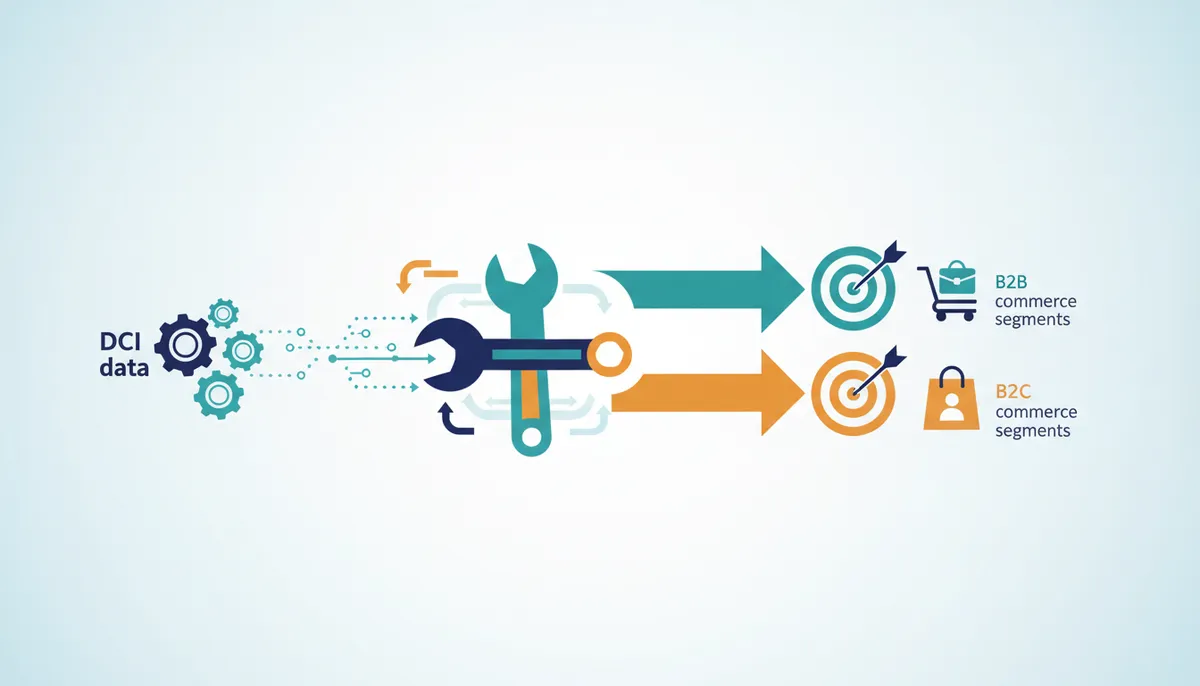
Web Shop Manager has partnered with DCi since 2010 to deliver complete, normalized product data supporting millions of vehicle applications and hundreds of brands. This integration ingests structured ACES and PIES outputs to map every part number to precise vehicle fitment without manual entry. By using ACES/PIES industry standards, the platform guarantees that B2B buyers accessing bulk pricing and B2C shoppers using VIN lookup see identical, error-free inventory status.
The system automatically normalizes descriptions, images, and interchange data from over 200 manufacturers into a unified catalog. This approach eliminates the need for separate data middleware while maintaining real-time synchronization across all sales channels. Operators avoid selling discontinued items because updates propagate instantly from the source to the storefront.
| Feature | B2B Application | B2C Application |
|---|---|---|
| Data Source | DCi Normalized Catalog | DCi Normalized Catalog |
| Search Method | Part Number / Bulk List | Year / Make / Model |
| Output | Quote Generation | Direct Cart Addition |
Catalog breadth often conflicts with site performance. KZMALL Auto Parts resolves this by scaling comfortably to 400,000 SKUs without degrading search speed. Raw database access frequently introduces latency. Pre-normalized feeds maintain responsiveness even during peak traffic. Adopting this unified architecture prevents the data silos that typically fracture hybrid commerce strategies.
Generating Google Shopping Feeds from DCi Product Data
Web Shop Manager instantly converts normalized DCi catalog outputs into a Google Shopping-ready product feed for immediate advertising deployment. This automated process eliminates months of manual data gathering, allowing retailers to launch campaigns while competitors remain stuck in spreadsheet normalization. The system maps Year/Make/Model attributes directly from the source catalog, ensuring every advertised SKU carries valid fitment metadata required by Google Merchant Center. Generic retail feeds often trigger disapproval due to missing vehicle context. This integration preserves the granular fitment validation inherent in the original dataset. Merchants sometimes attempt to manually curate these lists.
Validation Steps for Accurate Year/Make/Model Lookups
Verify Year/Make/Model accuracy against the 60,000 vehicle combinations managed by ACES standards before store launch.
Operators must distinguish between basic VIN data and specific parts fitment to prevent catalog corruption. Relying solely on vehicle identification without part-level validation causes returns when engine codes differ within a model year. The following checklist ensures data integrity for KZMALL Auto Parts deployments:
- Cross-reference engine specifications against the source catalog for every SKU.
- Confirm that fitment validation parameters include trim and sub-model details.
- Test search queries for ambiguous model names across different production years.
| Validation Target | Manual Check Risk | Automated DCi Sync |
|---|---|---|
| Engine Code Match | High Error Rate | Precise Mapping |
| Model Year Range | Outdated Data | Real-time Updates |
| Brand Coverage | Limited Scope | 200+ Manufacturers |
Skipping these steps costs more than the time required for verification. Inaccurate lookups force customers to guess compatibility, leading to higher return volumes and lost revenue. Generic feeds might load quicker. They lack the critical parameters needed for true automotive eCommerce. Failure to validate specific engine attributes renders the entire catalog unreliable for serious buyers. Precision in the initial data load prevents costly manual corrections later in the sales cycle.
Executing the Connection Between DCi Catalogs and Google Shopping Feeds
DCi Catalog Connection Mechanics via ACES/PIES Outputs
Connect your DCi catalog by selecting specific brands from a network of 200+ manufacturers. This initial configuration defines the scope of product lines imported into Web Shop Manager. The system ingests raw outputs structured to ACES and PIES industry standards, ensuring immediate compatibility with downstream retail systems.
Normalization occurs automatically as the platform processes pricing, descriptions, and dimensional weights. Every part number maps to precise vehicle applications without manual data entry. This automated workflow eliminates the errors common in legacy spreadsheet migrations.
- Select desired manufacturers from the available 200+ brand options.
- Allow Web Shop Manager to ingest and normalize ACES/PIES attributes.
- Verify that Year/Make/Model fitment data aligns with inventory goals.
- Activate the store to enable PartsLogic search functionality.
A significant limitation exists for retailers lacking an existing DCi data license, as the connection requires valid credentials. The architecture supports catalogs scaling to hundreds of thousands of SKUs while maintaining query speed. Operators must ensure their selected product lines have complete fitment metadata to maximize search relevance. Accurate fitment ensures customers see parts that fit their vehicle, driving qualified traffic through Google Shopping feeds generated from this source.
Generating Google Merchant Center Feeds from Normalized Data
Launch Google Shopping campaigns immediately using the auto-generated, Google Merchant Center-ready feed derived from your connected DCi catalog. This workflow eliminates manual file construction by transforming normalized ACES and PIES attributes into compliant advertising assets.
- Access the marketing module within Web Shop Manager to view the pre-configured product export.
- Verify that selected brands from the 200+ manufacturer network are marked for inclusion.
- Copy the generated feed URL and submit it directly to your Google Merchant Center account.
Retailers bypass months of data gathering because the system inherently understands vehicle compatibility. While broad brand selection maximizes inventory volume, the platform's normalization ensures data remains accurate across the catalog. Unlike generic retail feeds, automotive listings demand precise application data to avoid disapproval. The Auto Care Association mandates annual renewals for access to the underlying data standards that power these exports. This step ensures that the rich content imported from DCi renders correctly for shoppers searching by vehicle. Immediate campaign activation turns clean, structured data into qualified traffic without intermediary tools.
Post-Integration Validation for Fitment and Inventory Sync
Validate Year/Make/Model accuracy immediately by testing lookups against the database of 200M+ vehicle applications. This step confirms that PartsLogic fitment search restricts visibility to compatible items only, preventing mismatched orders. Technical datasets require validation by year, make, model, and engine to guarantee precise parts matching in ecommerce environments. The system stays in sync as DCi updates catalog data, ensuring stores do not sell discontinued or mispriced parts.
Operators must verify that real-time synchronization blocks sales of obsolete inventory before customers attempt checkout. Distinguishing between basic VIN data and specialized vehicle parts fitment data prevents catalog bloat from irrelevant listings. Accurate fitment reduces returns by ensuring customers receive the correct part on the first attempt.
| Validation Target | Expected Outcome | Risk if Skipped |
| Fitment Logic | Parts show only for valid vehicles | High return rates |
| Inventory Status | Discontinued items hidden | Failed fulfillment |
| Price Sync | Current DCi pricing displayed | Revenue leakage |
KZMALL Auto Parts recommends this verification sequence to maintain data integrity across large catalogs.
- Run sample queries on random ACES vehicle combinations to test coverage.
- Confirm PIES attributes like weight and dimensions appear correctly on product pages.
- Check that Google Shopping feeds exclude any items marked unavailable in the source.
Validating these parameters ensures that listed components match specific requirements without manual cross-referencing. Professional buyers and individual shoppers alike rely on this precision to confirm that listed components match their specific vehicle requirements.
About
Anna Petrova serves as a B2B Auto Parts Market Analyst at KZMALL Auto Parts, where she specializes in decoding complex supply chain dynamics and fitment data standards. Her daily work involves analyzing how standardized ACES and PIES data structures directly impact inventory accuracy and cross-border trade efficiency for wholesale distributors. This expertise makes her uniquely qualified to discuss the critical role of reliable aftermarket parts data integration. At KZMALL, Anna uses this insight to support the company's strategy of offering over 50,000 SKUs across eight proprietary brands, all backed by precise vehicle application coverage. Unlike third-party aggregators, KZMALL provides a single-source supplier model where hard parts, consumables, and chemicals are unified under one verified catalog. Anna's analysis ensures that global buyers, from independent repair shops to regional exporters, can rely on KZMALL's certified inventory without needing external data normalization tools, streamlining procurement for the independent automotive aftermarket.
Conclusion
Scale breaks when manual verification cannot keep pace with catalog expansion, turning data drift into a silent revenue leak. As marketplaces project to capture nearly 40% of the sector by 2027, the operational cost of inaccurate fitment shifts from minor inconvenience to existential threat for distributors relying on third-party platforms. The B2B segment, while currently smaller than B2C, demands higher precision because bulk errors compound financial loss instantly. You must treat data integrity not as a one-time setup task but as a continuous operational mandate that requires automated guardrails.
Start by auditing your current inventory sync frequency against DCi updates this week to identify any lag between source changes and storefront visibility. Do not wait for customer complaints to reveal that discontinued items are still purchasable. Implement a strict protocol where any part lacking verified year, make, model, and engine attributes remains hidden from search results until validated. This approach protects margin by preventing fulfillment failures before they occur.
KZMALL Auto Parts advises integrating these validation checks directly into your product information management workflow rather than treating them as separate marketing tasks. Precise fitment data is the only defensible moat against commoditization in a crowded digital environment. Secure your catalog accuracy now to ensure every listed component drives profit instead of returns.
Frequently Asked Questions
You risk selling obsolete inventory if updates lag behind manufacturer cycles.
Our architecture scales to support massive catalogs while maintaining fast query speeds. The system efficiently manages over 1.5 million SKUs to ensure your customers find parts instantly.
Ignoring this shift means missing out on expanding opportunities within the professional market.
Stores with granular fitment capture more qualified traffic than those using generic lists.
No, manual processes introduce errors that automated DCi integration eliminates entirely.
References