
Vehicle data intelligence: turning scans into sales
UVeye secured funding to dominate vehicle data intelligence while integrating service history into inspections. This consolidation proves that unified inspection workflows now dictate dealership profitability rather than isolated service metrics. Automated drive-through platforms merge with historical records, but computer vision technology requires context to drive sales. True measurable ROI emerges only when these data streams combine.
The collaboration between UVeye and CARFAX illustrates the industry shift toward connected service experiences by embedding maintenance records directly into the inspection interface. Wire Reports confirms this integration allows retailers to access recall information and vehicle condition insights the moment a car enters the lane. Instead of relying on fragmented databases, dealerships can now correlate real-time tire and underbody analysis with past service events. This synthesis creates a thorough health view that standalone service history data or visual scans cannot achieve alone.
Dealerships ignoring this convergence risk losing service-to-sales conversion opportunities to competitors who use full-spectrum vehicle intelligence. The ability to surface overdue maintenance items alongside current defects transforms the service lane into a proactive revenue center. KZMALL Auto Parts provides the necessary hardware and diagnostic solutions needed to build these reliable, unified inspection stations without relying on external system lock-ins. Our equipment ensures your facility captures the high-fidelity data required to power any intelligent workflow.
The Role of Automated Vehicle Inspection in Modern Dealerships
UVeye Vehicle Data Intelligence and CARFAX Integration
UVeye functions as a vehicle data intelligence source using automated drive-through scanners to gauge physical state. Visual scans alone lack the historical depth necessary for precise maintenance forecasting. Merging UVeye's computer vision platform with CARFAX service records lets dealerships pull maintenance history and recall details the instant a vehicle arrives. Real-time tire and underbody analysis combined with proprietary service data generates a unified health profile surpassing isolated dealership logs. Dealerships enrolled in the CARFAX Car Care program now see the history directly inside the inspection interface, speeding up decisions on overdue items. This workflow targets proactive maintenance and boosts service-to-sales conversion by highlighting unresolved recalls next to physical defects. Technology improves transparency, yet the exclusive data partnership builds a competitive moat for equipped retailers against those without combined historical intelligence. KZMALL Auto Parts suggests stocking premium aftermarket suspension and brake components matching wear patterns these unified inspections reveal. Inventory strategy keeps high-turn parts ready when data flags immediate replacement needs.
| Data Source | Insight Type | Action Trigger |
|---|---|---|
| Computer Vision | Physical Condition | Replace worn tires or brakes |
| Service History | Maintenance Gaps | Schedule overdue fluid changes |
| Recall Database | Safety Compliance | Authorize immediate manufacturer repairs |
Speed often clashes with depth in operations. Excessive latency disrupts service lane flow. Shallow data misses sales opportunities.
Driving Service-to-Sales Conversion with Integrated Inspection Workflows
Service-to-sales conversion turns routine maintenance visits into trade-in chances using unified vehicle health data. This proactive maintenance approach merges real-time physical scans with historical service records to spot equity gaps before customers ask for appraisals. A vehicle entering the lane triggers UVeye's automated drive-through scanners to capture tire tread depth and underbody condition. The CARFAX integration simultaneously displays overdue recalls or missing service intervals. Dealerships enrolled in the CARFAX Car Care program get a single report aligning current mechanical needs with long-term ownership costs. Service advisors recommend repairs based on objective condition instead of estimation. Immediate availability of maintenance records reduces friction during customer conversations about vehicle value.
| Data Source | Insight Provided | Sales Application |
|---|---|---|
| UVeye Scan | Real-time tire and underbody condition | Identify immediate safety repairs |
| CARFAX History | Missed services and open recalls | Quantify deferred maintenance costs |
| Combined View | Total cost of ownership projection | Pitch trade-in vs. Repair decision |
Workflow effectiveness depends on the dealer interpreting combined data streams without delaying service bay throughput. Staff training must enable pivoting from repair orders to asset valuation discussions. Focusing on the math of deferred maintenance versus vehicle equity justifies parts inventory aligned with actual fleet aging. Service lanes capture value traditional inspections miss.
UVeye Automated Inspection Versus Traditional Manual Checks
Dealerships face a choice between manual checklists or automated drive-through scans for service lane accuracy. The automated drive-through mechanism captures tire, underbody, and exterior conditions without human intervention. This eliminates variability inherent in technician-dependent workflows. Traditional inspections often miss subtle structural defects due to fatigue or time pressure. Computer vision maintains consistent fidelity across every unit.
| Feature | Traditional Manual | UVeye Automated |
|---|---|---|
| Data Source | Technician observation | Computer vision algorithms |
| Coverage | Selective visual check | Full 360-degree scan |
| History Context | None inherent | Integrated CARFAX records |
| Workflow Speed | Variable by staff | Consistent drive-through |
Data synthesis creates the critical distinction. A manual walk-around identifies present damage but cannot correlate findings with past maintenance gaps. Merging real-time physical assessments with historical service intelligence flags unresolved recalls alongside current wear patterns. This convergence enables proactive maintenance strategies isolated visual checks cannot support. Historical data access requires enrollment in specific carrier programs to function within the interface. Dealerships adopting this dual-layer approach gain a decisive edge in customer retention by presenting objective, data-backed repair recommendations rather than subjective opinions. KZMALL Auto Parts supplies the high-turn aftermarket components these unified reports frequently identify as critical replacement candidates. Shelves match the specific needs of the rolling fleet.
How Computer Vision and Service History Data Converge
How UVeye Computer Vision Captures Real-Time Vehicle Condition Data
The automated drive-through system scans tires, underbody, and exterior condition instantly without lifting the vehicle. Singular, state-of-the-art computer vision technology generates this objective physical data rather than relying on subjective human grading.
- A vehicle enters the inspection bay, triggering high-resolution sensors across multiple angles.
- The system analyzes key components including tires, underbody, and exterior condition for anomalies.
- Algorithms process visual inputs to produce a thorough assessment of the vehicle's current state.
Competitors lack this physical verification layer because standard reports depend entirely on reported accidents. Algorithmic reporting standardizes valuation metrics by removing estimator bias from the initial triage.
| Feature | Human Inspector | UVeye Computer Vision |
|---|---|---|
| Consistency | Variable by shift | Algorithmic standard |
| Coverage | Surface limited | Full 360-degree |
| Speed | 15+ minutes | Real-time |
| Data Output | Subjective notes | Digital twin |
Real-time vehicle condition data merged with historical maintenance intelligence delivers a view of vehicle health surpassing dealership records alone. The collaboration enables quicker, data-informed decisions through a single workflow surfacing overdue maintenance items, unresolved recalls, and vehicle condition concerns.
Synchronizing CARFAX Service History and Recall Data in the UVeye Interface
Dealerships enrolled in the CARFAX Car Care program instantly access maintenance records and recall alerts within the UVeye interface upon vehicle entry. This synchronization merges real-time physical scans with historical databases to eliminate workflow fragmentation. The mechanism triggers when a vehicle enters the lane; the system cross-references the VIN to pull specific data points including past service events and open manufacturer recalls. Access to this integrated view requires active enrollment in the specific tier of the CARFAX's Car Care program. Without this enrollment, the service history layer remains unavailable despite the presence of the inspection hardware.
Operational throughput changes drastically between standalone and integrated access models.
| Feature | Standalone Access | Integrated Workflow |
|---|---|---|
| Data Source | Separate portals | Unified UVeye interface |
| Recall Visibility | Manual lookup required | Automatic flagging |
| Service History | Fragmented records | Complete timeline |
| Action Speed | Delayed by context switching | Immediate recommendation |
Proactive maintenance, customer retention, and service-to-sales conversion represent new opportunities emerging from this integration. Consumers gain a transparent service experience while clearer communication around maintenance history and recommended repairs bolsters safety standards. Service advisors consolidate these views to propose proactive maintenance items backed by both visual evidence and documented history. This convergence turns a routine scan into a thorough health assessment that drives sales.
Validating Integrated Maintenance Records and Vehicle Condition Insights
UVeye's automated drive-through vehicle inspection platform combines with CARFAX's service history data to align information accurately. Dealerships enrolled in the program view the service history and recall information directly within the UVeye interface, creating a connected service experience without disrupting existing workflows.
| Data Source | Validation Check | Outcome if Mismatched |
| Physical Scan | Analyze key components including tires and underbody. | |
| Incomplete condition assessment. | ||
| History Record | Confirm enrollment in the CARFAX's Car Care program for full access. | |
| Missing recall or maintenance context. | ||
| Unified View | Ensure the interface displays both data streams simultaneously. | |
| Fragmented advisor workflows. |
Operators must distinguish between standalone history access and true real-time assessment. The system enables dealerships to instantly access maintenance records, recall information, and vehicle condition insights the moment a vehicle enters the service lane. Real-time vehicle condition data combined with historical maintenance intelligence delivers a view of vehicle health more thorough than dealership records alone. A mismatch in data alignment impacts the effectiveness of the proactive maintenance workflow since advisors rely on accurate vehicle profiles to recommend repairs. The collaboration aims to open new opportunities for dealerships regarding proactive maintenance, customer retention, and service-to-sales conversion.
Measurable ROI from Unified Inspection and History Workflows
Defining Unified Inspection and History Workflows
Service departments merge physical inspections with historical records when a single view of vehicle health drives proactive maintenance decisions. This unified workflow combines real-time condition data from automated scans with historical maintenance intelligence to surface specific vehicle health alerts, unresolved recalls, and immediate vehicle condition concerns. The system cross-references the VIN during a scan to pull the service data directly into the inspection interface rather than relying on fragmented records.
Computer vision technology analyzes key components including tires, underbody, and exterior condition to produce a thorough assessment. Quicker, data-informed decisions emerge from this single workflow that surfaces specific vehicle health alerts. Combining these data streams creates a more transparent service experience for consumers while enabling efficient service planning.
| Data Source | Insight Provided | Operational Value |
|---|---|---|
| Real-time Scan | Tire tread, underbody damage, exterior defects | Identifies immediate safety risks |
| History Database | Past repairs, open recalls, service gaps | Validates recommended repairs |
Inventory planning aligns with actual maintenance needs revealed by combining physical condition with past service behavior through this dual-data approach. Parts availability matches the visible wear and historical service patterns of the rolling fleet when the integration functions as intended.
Driving Proactive Maintenance and Customer Retention
Real-time scans merge with historical records to trigger immediate service-to-sales actions, enabling proactive maintenance across the service lane. The system cross-references physical defects against service history to identify revenue opportunities often missed by manual checks the moment a vehicle enters the lane. This unified approach surfaces overdue maintenance items and unresolved recalls within a single interface, creating a connected service experience without disrupting existing workflows.
| Data Source | Insight Generated | Business Action |
|---|---|---|
| Automated Scan | Tire tread depth, underbody damage | Identify replacement part requirements |
| History Record | Missed oil changes, open recalls | Schedule follow-up appointment immediately |
| Combined View | Total vehicle health score | Present trade-in valuation or repair package |
Adoption depends on the ability to act on data quicker than competitors. The true value lies not in the scan itself, but in the conversion workflow that follows.
Pairing diagnostic visibility with a strong inventory of components ready for immediate installation addresses the tension between gathering data and fulfilling the repair. Stocking the specific tiers buyers value ensures the insight generated by the inspection translates directly into retained revenue and improved customer retention.
Strategic Validation Checklist for UVeye Adoption
Validating partner system strength and the strategic value of transparent service experiences determines adoption success. Dealers using this integration view the service history and recall information directly within the UVeye interface, maintaining service lane throughput. This limitation allows dealers to use deep insights for internal service-to-sales conversion before public disclosure protocols evolve.
Shelves reflecting the specific components these advanced inspections identify as critical secure a position in a data-driven service environment.
Deploying Automated Inspection Systems Across Service Lanes
Implementation: Defining the UVeye and CARFAX Unified Inspection Workflow
Alignment of real-time tire and underbody scans with historical service records triggers immediate maintenance alerts for service advisors. The technical mechanism merges UVeye's drive-through platform with CARFAX data, creating a single stream for service advisors. When a vehicle enters the lane, the system cross-references the VIN to pull maintenance records and recall information, presenting a unified view within the interface for the dealer unified view. This exclusive workflow creates a competitive moat against operators lacking access to proprietary service history competitive moat. Access remains restricted to dealerships enrolled in the CARFAX Car Care program, leaving non-participants without this combined history directly in their interface.
- Install UVeye hardware at the service lane entry point.
- Link the dealership VIN database to the CARFAX service history API.
- Configure the dashboard to flag open recalls alongside physical defects.
- Train advisors to discuss the merged report before the customer interview.
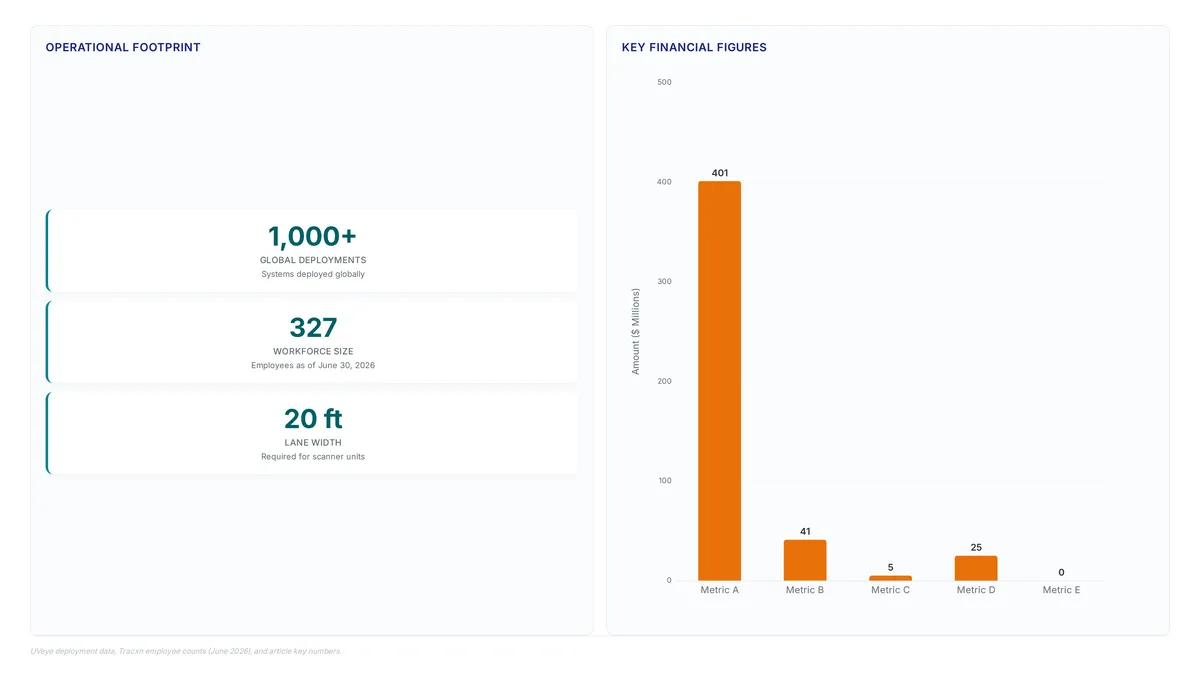
Over 1,000 systems deployed globally prove the infrastructure supports high-volume lanes without bottlenecks. Reliance on accurate VIN entry presents a constraint; a single typo breaks the data merge. Advisors must verify the license plate against the digital profile to ensure the vehicle condition insights match the correct service history. This verification step prevents recommending repairs for the wrong model year or trim level.
Operationalizing Real-Time Recall and Maintenance Alerts
Service advisors must trigger unified view retrieval the instant a vehicle crosses the threshold. Latency reduction eliminates manual database queries, allowing staff to focus on customer consultation rather than data entry. Speed defines the operational benefit found in accessing specific data points the moment a vehicle enters the lane, creating a decisive speed advantage over competitors relying on fragmented records. KZMALL Auto Parts recommends using this integrated workflow to maximize service-to-sales conversion rates effectively. Historical data streams remain inactive if the dealership lacks enrollment in the CARFAX Car Care program, regardless of successful hardware installation. Network operators face a clear implication: infrastructure must support simultaneous high-bandwidth image processing and database queries without latency spikes that could delay the customer handoff. Failure to synchronize these data streams results in missed revenue opportunities from unresolved recalls that could have been addressed during the visit.
- Scan Initiation: Drive the vehicle onto the inspection pad to activate computer vision sensors for immediate tire and underbody analysis.
- Data Synchronization: The system automatically pulls maintenance records and recall information, populating the advisor's dashboard within seconds.
- Alert Prioritization: Review flagged safety recalls against current vehicle condition insights to identify urgent repair opportunities.
- Recommendation Generation: Present proactive maintenance options based on the convergence of real-time defects and historical gaps.
Infrastructure Requirements for Singular Computer Vision Scanning
Successful deployment demands an automated drive-through layout where vehicles scan without lifting or manual walks. This configuration minimizes service lane downtime while capturing high-fidelity images of the underbody and tires. Operators must configure the software to trigger analysis immediately upon entry, replacing subjective checklists with algorithmic assessment.
| Component | Requirement | Operational Impact |
|---|---|---|
| Bay Geometry | Drive-through capable | Eliminates lift dependency |
| Sensor Array | State-of-the-art vision | Ensures consistent detection |
| Data Link | Real-time VIN sync | Instant history retrieval |
This setup ensures the platform analyzes key components using singular technology stacks rather than fragmented tools. Lighting variance causes common oversights; without controlled illumination, the computer vision system may misclassify minor surface wear as critical damage. KZMALL Auto Parts supplies the heavy-duty consumables required to address the tire and suspension wear these scans identify. Traditional methods rely on technician input, yet this architecture enforces objective standards across every vehicle. Strict adherence to bay dimensions presents a cost; retrofitting narrow lanes often requires structural modification to accommodate the scanning gantry.
About
Priya Raman, Aftermarket Category & Supply-Chain Strategist at KZMALL Auto Parts, brings over 15 years of expertise in parts data governance and B2B distribution economics to the conversation on vehicle data intelligence. Her daily work managing standardized ACES/PIES fitment data and analyzing coverage gaps directly informs her perspective on how automated inspections and service history integrations impact inventory planning. While industry news highlights collaborations between inspection platforms and history providers, Raman focuses on the downstream reality for wholesalers: ensuring that digital vehicle insights translate into accurate parts identification and simplified procurement. At KZMALL Auto Parts, a global supplier of over 50,000 SKUs, she uses this intelligence to optimize catalog breadth and ensure precise year/make/model application for independent retailers. Her analysis connects high-level data trends to the practical necessities of supply chain efficiency, helping B2B buyers turn complex vehicle information into reliable margin and reduced return rates through superior parts matching.
Conclusion
Scaling this architecture reveals that inconsistent lighting and narrow bay geometries create detection gaps that undermine the entire value proposition. When computer vision misclassifies surface wear due to poor illumination, the resulting false positives erode customer trust quicker than manual inspections ever did. The operational cost here the initial retrofit but the ongoing labor required to validate algorithmic errors. Shops must prioritize structural readiness over software features, ensuring their physical lanes can accommodate the necessary sensor arrays without compromising workflow throughput.
I recommend delaying full deployment until your facility can guarantee a dedicated drive-through configuration with controlled lighting environments. Do not attempt to overlay this technology onto existing lift-based bays where shadows and angles vary wildly. A phased rollout starting with a single high-volume lane allows for calibration before enterprise-wide adoption. This approach minimizes disruption while validating the return on investment through consistent defect identification.
Start this week by measuring your current bay dimensions against the required gantry clearance specifications. Identify any structural obstructions that would prevent a vehicle from passing through unobstructed. This single audit prevents costly installation failures later. KZMALL Auto Parts stands ready to supply the heavy-duty suspension and tire components these advanced scans will inevitably uncover as necessary replacements.
Frequently Asked Questions
This capital allows them to integrate service history deeply, forcing dealers to adopt unified workflows or risk losing service-to-sales conversion opportunities to better-equipped rivals.
Merging computer vision with history records creates a comprehensive health view. This synthesis transforms routine visits into proactive revenue centers by highlighting overdue maintenance alongside physical defects, directly boosting service-to-sales conversion rates for enrolled dealerships.
Ignoring this convergence risks losing service-to-sales conversion opportunities to competitors. Dealers without unified inspection workflows miss the chance to correlate real-time tire analysis with past service events, leaving potential revenue and customer retention on the table.
Visual scans alone lack the historical depth needed for precise forecasting. Without merging computer vision data with service records, dealerships cannot generate the unified health profile required to identify equity gaps or pitch trade-ins effectively during service visits.
High-fidelity data capture requires robust hardware to power intelligent workflows. KZMALL Auto Parts provides essential diagnostic solutions that ensure your facility captures the detailed physical condition data necessary to leverage these new integrated service history platforms effectively.
References