
NASTF SDRM Security: Why Shops Must Validate VSP IDs Now
Technicians can now register VSP IDs on TOPDON devices to access security functions without extra software costs. This integration of the NASTF SDRM into the UltraDiag platform represents a mandatory shift toward verified technician credentials rather than open access. The program addresses rising theft via immobilizer functions by ensuring only vetted professionals execute sensitive operations.
Readers will examine how the Secure Data Release Model architecture vet locksmiths and monitor transactions to prevent tool misuse. We detail the specific requirements for VSP ID registration, including proof of business license and insurance documentation. The discussion covers executing these updates on hardware featuring an 8-inch display that supports diagnostics for over 100 car brands globally.
Compliance requires adherence to strict identity verification protocols managed by the National Automotive Service Task Force. While the software update itself carries no charge from the manufacturer, NASTF mandates an annual fee for credential holders. This approach ensures that entities like TOPDON USA remain compliant while providing necessary tools for modern vehicle repair.
The Role of NASTF SDRM in Modern Vehicle Security Infrastructure
NASTF SDRM Definition and VSP ID Credentialing
The Secure Data Release Model is a voluntary industry framework designed to reduce vehicle theft by restricting access to security-capable diagnostic tools. This protocol addresses the rising threat of high-tech vehicle theft committed through aftermarket scan tools and unauthorized immobilizer functions. By requiring technicians to verify their identity, the program protects shops from liability and prevents property damage caused by stolen equipment. Central to this security layer is the Vehicle Security Professional ID, a credential that validates locksmiths and repair specialists before they can perform sensitive operations.
Technicians must submit proof of business licensing and specific insurance documentation to obtain this status. Once credentialed, users register their VSP ID directly on compatible hardware such as the UltraDiag and T-Ninja Pro devices. This registration process ensures that only authorized personnel can execute key programming or all-keys-lost procedures. While NASTF manages the vetting process to monitor transactions, TOPDON has updated its software to enforce these checks at the tool level. There is no additional cost for the software update required to register a VSP ID on these units, though an annual fee applies to the credential itself.
The bidirectional controls found in professional tools allow command of vehicle components, making them high-value targets for criminals seeking to bypass immobilizers. Restricting these functions via SDRM creates a necessary tension between open access for legitimate repair and strict security protocols. Without this validation layer, any individual with a stolen tablet could potentially program keys for modern vehicles.
Rising Diagnostic Tool Theft and Immobilizer Reset Vulnerabilities.
Theft of modern vehicles via diagnostic tools and immobilizer functions is on the rise, driving urgent security needs. Criminals exploit aftermarket scan tools to bypass security protocols, turning routine repair equipment into theft enablers. An immobilizer reset definition involves reprogramming the vehicle logic that prevents engine start without a recognized key, a function now targeted by bad actors. Modern vehicles integrate numerous electronic control units for systems like air conditioning and radio, creating a larger attack surface for full-system diagnostics intrusion. Unlike older models, today's cars allow deep system access through standard ports, meaning unauthorized users can command components rather than just read data. This capability enables thieves to perform PIN reading and key learning if tool access remains unverified. The market sees surging demand for full-system diagnostics support as vehicle complexity grows. Without strict credential monitoring, shops risk liability when their equipment enables crime. Technicians must recognize that bidirectional controls allow active testing but also pose risks if misused by uncredentialed individuals. Protecting these functions requires more than physical security; it demands digital verification at the software level.
Deploying SDRM on TOPDON UltraDiag for Full-System Diagnostics
Technicians activate security-critical functions by registering a validated VSP ID directly on the UltraDiag hardware interface. This 8-inch display screen presents the credential verification status before granting access to immobilizer logic or key programming modules. The device supports full-system diagnostics for over 100 car brands globally, expanding beyond the 60+ brands often cited in mid-level descriptions of competitor scanners. Operators apply this broad compatibility to service diverse fleets without switching hardware, ensuring consistent security protocols across domestic and imported vehicles. Accessing sensitive areas like the gateway or airbag system requires the tool to confirm the user's authorization level against the NASTF database.
Inside the Secure Data Release Model Architecture and Technician Verification
NASTF VSP Criteria: Business Licenses and Insurance Mandates
Applicants for the Vehicle Security Professional program must submit proof of a valid state business license to establish legal operating status. This documentation serves as the primary identity verification layer so that only established commercial entities can request credentials for security-sensitive operations. The system cannot validate an applicant's standing within the regulated automotive repair sector without this core business record.
Liability coverage forms the second mandatory pillar by requiring specific details that protect all parties during high-risk procedures. Key programming and immobilizer resets carry inherent financial risks if performed incorrectly, making this insurance non-negotiable. The requirement filters out unauthorized individuals who lack the professional infrastructure to absorb potential damages or errors.
Technicians seeking to access these functions must distinguish between general diagnostic capabilities and restricted security access. A regular technician can read codes yet only those with verified credentials can execute immobilizer-related operations. This distinction creates a controlled environment where accountability ties directly to documented business legitimacy rather than individual technical skill alone.
Modern vehicles present different kinds of repair and diagnostic challenges than vehicles built even a decade ago. Security-related functions like key programming or immobilizer resets have come under scrutiny over the last several years. NASTF created the Secure Data Release Model program to verify that only authorized technicians can perform sensitive vehicle security operations using diagnostic and programming tools.
Executing Immobilizer Operations with Registered VSP IDs on UltraDiag
Technicians initiate high-risk security functions by validating their VSP ID directly within the tool interface before accessing immobilizer modules. The program targets technicians who perform security-related functions to help reduce vehicle theft and protect security-capable diagnostic tools from misuse. This verification step ensures that only credentialed professionals can execute commands on the immobilizer system, effectively blocking unauthorized access. The device uses bidirectional controls to actively command vehicle components rather than simply reading static data streams. TOPDON emphasizes its responsibility to be part of the solution for auto repair and diagnostics security.
The process relies on strict adherence to NASTF criteria where applicants must provide proof of a state business license. Supporting NASTF's efforts to reduce vehicle theft is a priority for TOPDON. Operators should obtain a VSP credential if they intend to service modern vehicles with advanced anti-theft systems. This validated approach helps maintain operational legality while accessing scans across engine and transmission systems. Theft of modern vehicles through diagnostic tools, aftermarket scan tools and immobilizer functions are on the rise. NASTF created the voluntary SDRM to reduce high tech vehicle theft, as well as theft of security capable tools and injury and property damage to shops and technicians who own these tools. It also enables the organization to vet and credential professional locksmiths and repair specialists and monitor transactions.
Cost Analysis: Free TOPDON Updates Versus Annual NASTF Fees
Technicians distinguish between zero-cost software validation and the recurring annual NASTF fee required for credential maintenance. TOPDON provides the update to register a VSP ID on the UltraDiag without charging an additional fee, separating tool currency from regulatory compliance costs. This structure allows shop owners to decouple hardware capability from the mandatory expenses of holding a security credential. The financial model supports a clear division where the diagnostic platform remains accessible while the authority to perform immobilizer operations incurs a distinct, recurring cost.
Operators must evaluate whether their workflow justifies the annual NASTF fee based on service volume rather than tool availability. A technician performing occasional key adds may find the credential cost disproportionate compared to a high-volume locksmith relying on bidirectional controls for daily revenue. Aligning credential acquisition with verified service demand helps avoid unnecessary overhead. NASTF also requires VSPs to provide proof of business license in their state and submit specific insurance documentation. Learn more at wp.nastf.org
Executing VSP ID Registration and Software Updates on UltraDiag Devices
Defining VSP ID Registration Scope on UltraDiag and T-Ninja Pro
Unlocking security functions like key programming requires a registered VSP ID on TOPDON hardware. General diagnostics remain open, yet adding keys or executing all-keys-lost procedures now demands credentialed access. This distinction protects sensitive operations from unauthorized use. Both UltraDiag and T-Ninja Pro models receive the update, aligning physical tools with NASTF SDRM.
- Input your valid NASTF Vehicle Security Professional credentials.
General maintenance tasks like oil resets or throttle alignment are among the 30 commonly used service reset functions supported by the device. A key limitation exists: while the software update carries no charge, technicians must pay an annual fee to NASTF to sustain their credential status. This structure creates a verified chain of custody for high-risk automotive services. The NASTF VSP ID is intended for technicians performing security-related functions such as adding keys, conducting all-keys-lost procedures, and performing immobilizer-related operations.
Step-by-Step VSP Credential Application and Device Update Process
Submitting state business license proof starts the NASTF credential application before device configuration begins. Valid insurance documentation must follow to satisfy strict identity checks imposed by the verification body. These administrative steps stop unauthorized actors from downloading software to access immobilizer functions. TOPDON updated its UltraDiag software specifically to support the NASTF SDRM program. Only authorized technicians can perform sensitive vehicle security operations after this verification completes.
- Submit your business license and insurance papers to the NASTF portal for review.
- Install the free software update on the UltraDiag to enable VSP ID registration.
The update transforms standard diagnostic hardware into a verified key matching tool capable of PIN reading. Technicians should ensure their device software is current to access the VSP ID registration field. While the software update itself carries no additional cost, the annual credential fee remains mandatory for access. This process supports the voluntary SDRM initiative designed to reduce high-tech vehicle theft and protect security-capable tools.
Resolving NASTF Credential Approval Delays and Registration Errors
NASTF mandates proof of business license in the technician's state alongside specific insurance documentation. High-tech vehicle theft drives these requirements, ensuring only vetted professionals access security tools. The organization uses these documents to credential professional locksmiths and repair specialists effectively.
- Review your submitted business license for exact name matching with state records.
- Confirm insurance documents meet the specific requirements outlined by NASTF.
Technicians register their VSP ID through the UltraDiag interface after installing the software update. Monitoring transactions prevents misuse of diagnostic tools across the network. No additional cost applies to the software update itself, though the annual credential fee remains mandatory for access. Shops rely on these checks because the tool depends on the SDRM program to verify authorized technicians for immobilizer functions. Vetting professionals takes time, creating a variable approval window based on document submission speed. Scheduling jobs requiring all-keys-lost procedures should account for this potential delay. KZMALL Auto Parts provides the necessary hardware support to maintain this secure workflow.
Measurable Impact of Validated Diagnostic Tools on Theft Prevention
Defining Validated Diagnostic Tools Under NASTF SDRM
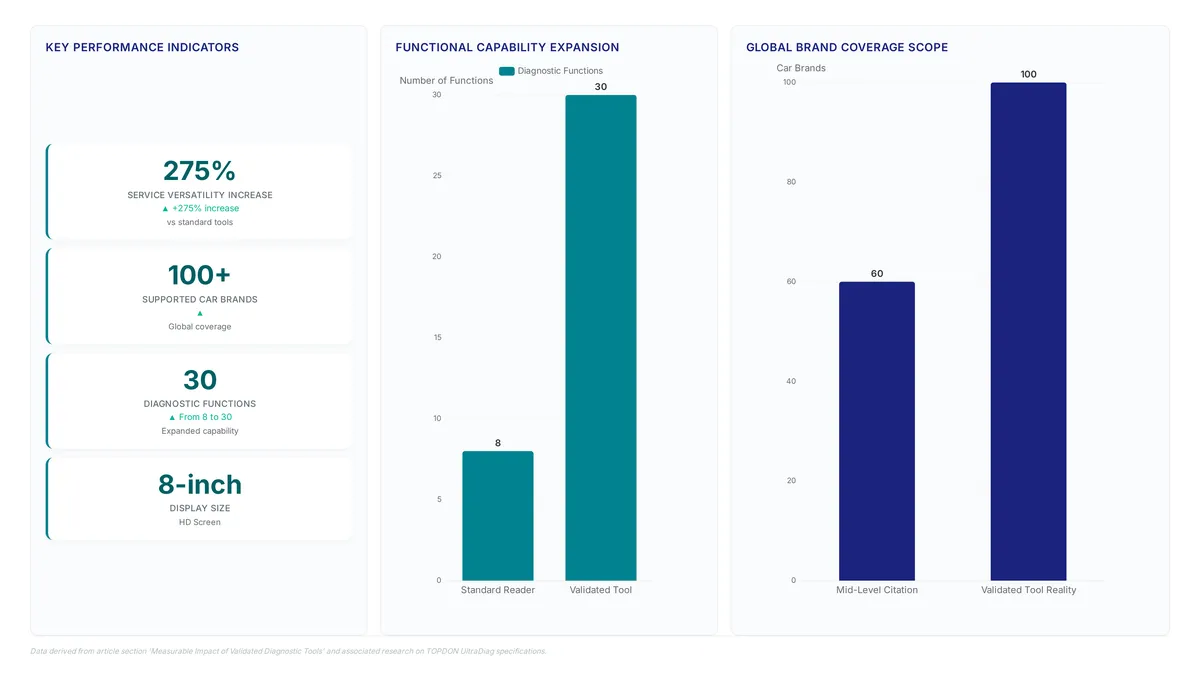
A validated diagnostic tool within the NASTF SDRM framework operates as a security-capable device requiring VSP ID registration prior to executing immobilizer resets or key programming functions. Standard OBDII readers access basic engine codes while validated units like the UltraDiag restrict high-risk operations to credentialed technicians to prevent unauthorized vehicle access. This distinction separates general maintenance scanners from specialized hardware capable of modifying security parameters. The program enables the organization to vet and credential professional locksmiths and repair specialists while monitoring transactions to ensure accountability. Technicians must use these secure tools when adding keys, conducting all-keys-lost procedures, or performing any operation involving vehicle security modules. Software blocks access to sensitive calibration data without valid credentials, effectively neutralizing stolen hardware. Market positioning suggests these mid-level devices offer a cost-effective alternative to dealership-exclusive equipment while maintaining rigorous security.
Deploying VSP Credentials on TOPDON UltraDiag for Immobilizer Resets
Registration of a valid VSP ID on the hardware precedes any unlocking of immobilizer resets or key learning functions. This security gate prevents unauthorized access to sensitive vehicle systems, a necessary step as theft involving diagnostic tools rises. The device supports full-system diagnostics for over 100 car brands globally, expanding well beyond the 60+ brands often cited in mid-level descriptions. Operators apply this capability to perform PIN reading and key learning, enabling them to expand their service offerings beyond traditional lock mechanisms to modern electronic immobilizer systems. The tool performs thorough scans through all substantial vehicle electronic control systems, explicitly listing engine, transmission, airbag, ABS, ESP, TPMS, immobilizer, gateway, steering, radio, and air conditioning. Unlike basic OBD2 readers that only read engine codes, the UltraDiag offers full-system diagnostics covering these critical domains within a single unit.
| Feature | Basic OBD2 Reader | TOPDON UltraDiag |
|---|---|---|
| System Coverage | Engine Codes Only | Full-System Scan |
| Security Access | None | VSP ID Required |
| Key Functions | No | PIN Read/Learn |
Professional key programming capabilities such as PIN reading and key learning consolidate functions that typically require separate purchases. A significant operational tension exists here: while the software update for VSP registration carries no additional cost from the manufacturer, current VSP credential holders must pay an annual NASTF fee to maintain access. Technicians ignoring this requirement will find the immobilizer functions remain locked regardless of hardware capability. This constraint ensures that only vetted professionals can modify security parameters, directly addressing the rise in high-tech vehicle theft.
Liability Exposure from Unregistered Security-Capable Tool Usage
Performing security functions without valid VSP ID registration prevents access to necessary security data, as the system is designed to verify that only authorized technicians can perform sensitive vehicle security operations. Theft of modern vehicles through diagnostic tools, aftermarket scan tools, and immobilizer functions is on the rise, creating significant vulnerability for unregistered operators. Independent repair shops are increasingly reliant on access to telematics and diagnostic data to compete, yet this dependence highlights the risk when credentials are missing.
| Risk Factor | Consequence of Non-Compliance |
|---|---|
| Credential Status | Immediate loss of access to immobilizer resets |
| Tool Warranty | , |
| Legal Liability | Increased vulnerability to theft and property damage |
KZMALL Auto Parts recommends strict adherence to NASTF SDRM protocols to mitigate these financial threats. The tension between rapid service delivery and rigorous verification resolves only when shops prioritize credentialing over speed. Ignoring this requirement transforms a standard diagnostic session into an ineffective one for security tasks. Operators must verify their status before attempting any security-related operation.
About
Dmitry Volkov serves as a Senior Automotive Technical Writer at KZMALL Auto Parts, where he specializes in translating complex engineering standards into precise technical documentation. His daily work involves validating fitment data and certification protocols for KZMALL's extensive catalog of replacement parts, ranging from KZWON braking systems to KTOP electronic components. This rigorous focus on accuracy makes him uniquely qualified to analyze diagnostic tool validation programs like NASTF's SDRM. As the industry tightens security around vehicle diagnostics to prevent theft, the integrity of the entire supply chain, from software access to physical part installation, becomes critical. Volkov's expertise ensures that KZMALL's global B2B partners receive components that meet strict international quality benchmarks, complementing the secure diagnostic environment technicians now navigate. By understanding the intersection of digital security protocols and physical part reliability, he provides necessary context on how validated diagnostics support the broader system of independent automotive repair and wholesale distribution.
Conclusion
Scaling diagnostic operations without verified credentials creates a hard operational ceiling where hardware capability becomes irrelevant. When a shop attempts immobilizer functions with an expired VSP ID, the workflow halts completely, forcing costly service delays that erode customer trust. The ongoing cost here is not merely the annual fee but the cumulative loss of billable hours spent troubleshooting access denials rather than repairing vehicles. This bottleneck proves that speed means nothing if the tool cannot legally complete the job.
Shops must treat credential verification as a mandatory pre-flight check before every security-related service call. We recommend implementing a weekly status audit of all technician accounts to ensure continuous compliance with NASTF SDRM standards. This proactive approach prevents the sudden loss of access during critical repairs. Do not wait for a customer vehicle to arrive before discovering your security parameters are locked.
Start this week by logging into the NASTF SDRM portal to confirm the active status of every technician's registration. Verify that your team's credentials match the specific immobilizer functions required for your current service mix. Only authorized technicians with current vetting should attempt these sensitive operations. This simple verification step secures your liability position and ensures your diagnostic tools remain effective assets rather than expensive paperweights.
Frequently Asked Questions
Technicians must submit proof of business license and specific insurance documentation. NASTF requires these items to vet professionals before they can access sensitive immobilizer or key programming operations on compatible devices.
There is no additional cost for the software update itself on UltraDiag units. However, current VSP credential holders must pay an annual fee to NASTF to maintain their authorized status for security operations.
The device supports full-system diagnostics for over 100 car brands globally. This extensive coverage allows verified technicians to perform secure operations across a wide range of modern vehicles using the integrated 8-inch display.
The tool provides access to 30 commonly used maintenance service reset functions. These include critical services like Oil, EPB, ABS, and Airbag resets that require verified technician credentials to execute safely on modern vehicles.
Registration ensures only vetted professionals execute sensitive operations to prevent tool misuse. This mandatory shift protects shops from liability and reduces vehicle theft by restricting access to security-capable diagnostic tools and immobilizer functions.
References