
Independent repair shops beat dealerships on value
Dealerships are losing their grip. Consumer Reports data from 11,670 repairs shows a clear trend: owners are rejecting high prices.
The math is simple. Independent repair shops deliver better value and trust for out-of-pocket fixes. Franchise dealerships lean on brand authority, but the evidence shows they rarely justify the premium with superior service or cost efficiency. This analysis breaks down the operational realities of dealerships versus local garages, comparing service quality and pricing structures across the board.
You need to know how to navigate strategic selection to keep your vehicle running without burning cash. We rely on findings from the 2023 Summer Survey, which graded facilities on twelve attributes including honesty, price, and work quality. By stripping out routine maintenance and collision work, the data isolates unexpected mechanical failures, exactly where your choice matters most. Establishing a relationship with a consistent provider yields better long-term outcomes than blind brand loyalty.
We also look at how repair channels handle negotiation and estimate accuracy. Understanding these nuances helps you dodge inflated dealership labor rates while ensuring complex electronic defects get fixed right. It shifts power back to you in an industry notorious for opaque cost estimates and muddy part sourcing.
The Distinct Roles of Dealerships and Independent Shops in Modern Auto Care
Defining Repair vs Maintenance in Factory Warranty Contexts
Factory warranty repairs demand manufacturer authorization and diagnostic software that independent facilities often cannot legally access. Repairs fix broken parts; routine maintenance prevents breakage through scheduled fluid changes and filter replacements. For recall fixes or service campaigns where the manufacturer corrects a defect free of charge, dealerships remain the primary option. Independent shops frequently lack the security credentials for locked functions like immobilizer module resets or proprietary sensor calibrations.
Data access restrictions create a hard technical barrier. Most independent repair shops view vehicle data access as the top issue for their business, forcing consumers to dealerships for these specific interventions issue. This isn't a skill gap; it's a legal constraint on information flow.
| Service Type | Required Provider | Reason for Constraint |
|---|---|---|
| Recall Repairs | Dealership | Manufacturer liability and free correction |
| Software Updates | Dealership | Proprietary diagnostic tool access |
| Oil Changes | Independent | No specialized authorization needed |
| Sensor Calibration | Dealership | Specialized equipment and data link |
Choosing the wrong facility for a warranty-covered repair delays resolution if the shop cannot process the claim directly.
When Dealership Expertise Is Required for Sensor Calibration
Safety sensor recalibration demands factory diagnostic software and precise alignment tools that independent facilities frequently lack. When an infotainment system glitches or a bumper-mounted radar requires adjustment, the dealership often holds the exclusive key. These components rely on proprietary data streams legally restricted from third-party access. A staggering 84% of independent repair shops view vehicle data access as their top business issue, creating a scenario where consumers have no option but the dealer for specific electronic repairs Survey: 84% of independent repair shops view.
If the job involves deep electronic integration, the dealership remains the only viable path to a correct fix.
Dealership Labor Rates Versus Independent Shop Capabilities
Dealer service departments charge premium labor rates because their overhead includes factory training and specialized diagnostic tools. Independent facilities operate with lower fixed costs, allowing them to offer competitive pricing on routine mechanical work. While dealerships provide factory-original parts and technicians trained for specific vehicle lines, independent shops now access the same OEM components through standard supply channels. The price gap stems from operational scale rather than parts exclusivity. Consumer perception often favors independents for honesty and overall value, yet dealerships retain a monopoly on proprietary software updates and sensor calibrations.
Data rights drive the wedge here. Without legal access to manufacturer telematics, an independent technician cannot reset certain security modules. This restriction forces consumers to pay dealer premiums for electronic faults even when mechanical repairs are affordable elsewhere. Most out-of-warranty vehicles benefit from independent care, but complex electronic failures still demand the factory environment. Buy the part the vehicle was engineered for, not the one that looks close.
Comparative Analysis of Service Quality and Pricing Across Repair Channels
Comparison: Dealership vs Independent Shop Labor Rates and Parts Sourcing
Independent shops dominate out-of-warranty care by using lower overhead and flexible parts sourcing strategies. Dealerships carry higher operational costs, employing larger administrative staffs that drive up hourly labor rates significantly. Independent facilities operate leaner, often passing savings directly to the vehicle owner through reduced service charges. Data indicates repair costs at independent shops range from a significant share to 80% lower than dealer rates for vehicles aged three to ten years. While dealers apply factory-trained technicians with exclusive diagnostic tools, independent shops access identical OEM parts through the same supply chains. The primary distinction lies in parts markup and labor multipliers rather than component quality or technician capability.
Economic pressure forces many consumers to prioritize cost-efficiency, driving a shift toward independents who accommodate budget constraints. Experts advise buying the part the vehicle was engineered for, verifying fitment by year, make, model, and engine before purchase. Choosing an independent provider allows owners to specify premium components while avoiding dealership labor premiums. This approach maximizes value without sacrificing mechanical integrity or safety.
Applying Car Age and Brand Data to Repair Channel Selection
Dealership visitation drops sharply as vehicles age, shifting from 80 percent for 2023 models to just 18 percent for 2000 models. This statistical trend correlates with warranty status, as dealerships remain the best option for factory warranty repairs, recall work, or service campaigns where the manufacturer fixes a defect free of charge. Brand loyalty further fractures this data; Tesla owners are the most likely to visit a dealership for service at 89 percent, followed by Cadillac at 61 percent, while only 29 percent of Dodge owners do the same. Data confirms that high-cost dealer overhead drives owners of mass-market brands toward local specialists.
| Dimension | New Vehicle (10 Yrs) | |
| Primary Channel | Dealership | Independent Shop |
| Parts Strategy | Factory Original (OEM) | Aftermarket or Used |
| Labor Rate | High | Moderate |
| Best For | Warranty & Recalls | Routine Maintenance |
Dealer service departments are a good option when a car has a problem requiring special tools, diagnostic equipment, or expertise not found elsewhere, though labor rates tend to be higher. Independent facilities often employ former dealership technicians who apply factory knowledge without the corporate markup. Experts advise matching the repair channel to the vehicle's remaining economic life rather than brand prestige. Selecting a provider based on model year rather than loyalty prevents over-investment in depreciating iron.
Chain Shop Limitations on Brake Suspension and Steering Repairs
While these shops employ experienced staff to guide less-tenured technicians, the operational focus remains on speed rather than thorough vehicle assessment. Chains that specialize in quick oil changes can be convenient, but because of their limited capabilities, dealerships or independent shops are improved for most repairs. If chains find rusty or worn brake, suspension, or steering parts, they may refer you to an independent shop because they don't want to spend time on the repair. Consequently, vehicle owners should ensure their chosen provider has the specific capabilities required for critical systems to maintain handling stability. The table below illustrates the trade-offs between service channels for these specific repairs.
Experts advise buying the part the vehicle was engineered for, not the one that looks close. Always verify fitment by year, make, model, engine, and option before installation. A complete repair requires new hardware, fresh fluids, and strict adherence to torque specifications, not the headline component.
Strategic Selection of Repair Providers for Maximum Value and Trust
Defining Trust Through Consistent Routine Maintenance Relationships
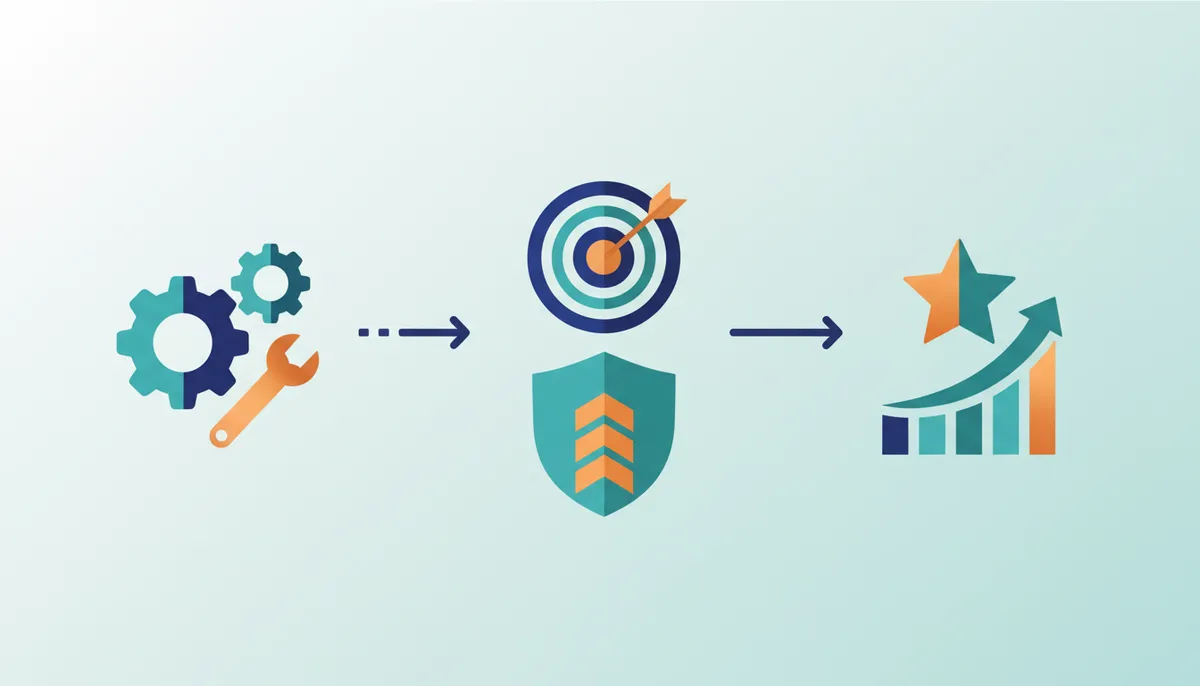
Pick one facility for all routine maintenance to build the continuous history mechanics need to spot developing problems early. Consistent visits allow staff to know your specific vehicle, creating a diagnostic baseline that transient repairs cannot match. When a single team tracks your car, they identify minor variances before they escalate into substantial failures. This approach works at dealerships or independent facilities, though data indicates independent shops are often cheaper than dealerships for the majority of repairs. Quick-lube chains often lack the scope to capture this longitudinal data effectively. Trust emerges from this continuity, not from one-off transactions. Without a shared history, every new technician starts from zero, increasing the risk of misdiagnosis. A mechanic who knows your vehicle history provides value beyond the initial invoice by preventing future breakdowns. This strategy ensures your car receives attention based on its unique wear patterns rather than generic schedules. Consistency transforms a service provider into a partner invested in your vehicle's longevity.
Applying Independent Shop Capabilities for Out-of-Warranty Vehicles
Once the factory warranty expires, shift repairs to independent facilities to capture labor rate savings without sacrificing technical capability. These shops handle everything from fluid swaps to engine replacements using technicians who often trained at franchise dealers. Historical data from Consumer Reports indicates a much larger sample size of over 121,000 vehicles repaired, with more than 80,000 repaired at franchised dealers. Establishing a relationship at one location allows mechanics to track developing problems before they become expensive failures. Dealers restrict free shuttle services to a 5-mile radius, yet many independents offer flexible local transport to retain your business. The constraint involves verifying the shop uses quality aftermarket parts when OEM is not required. Sourcing factory-original parts is often best for specific vehicle needs, though independent shops have access to purchase OEM components as well. Service departments are a big revenue source for dealerships. This approach ensures longevity while maximizing the financial advantage of independent care.
Risks of Relying on Quick-Change Chains for Complex Repairs
Quick-lube chains prioritize speed over the diagnostic depth required for substantial mechanical failures. While convenient for fluid swaps, these facilities often lack the specialized tools needed for complex system repairs. Regarding chains specializing in quick oil changes, experts note they can be convenient but suggest dealerships or independent shops are improved for most repairs. A significant barrier exists where data access restrictions force consumers toward providers with factory-level software integration. This gap means a quick-stop technician might miss a developing fault that a consistent provider would catch early. Convenience today risks misdiagnosis tomorrow. Without a continuous service record, mechanics cannot spot subtle trends indicating impending failure. Most operators find that establishing a relationship with one facility allows staff to track vehicle history effectively. This longitudinal view prevents minor issues from becoming catastrophic expenses. For long-term reliability, trust the shop that sees your car every day, not when the oil light flashes.
Tactical Steps for Negotiating Costs and Resolving Service Disputes
Defining Accurate Estimates and Service Dispute Triggers
Final invoices exceeding initial quotes without prior approval instantly create billing conflicts. Consumer feedback covering 11,670 repairs identifies the accuracy of the initial cost estimate as a primary rating attribute, separating legitimate upsells from billing errors. Facilities must communicate changes before proceeding, a practice where independent shops often outperform dealership service departments in member surveys. Technicians sometimes replace parts based solely on error codes rather than verifying mechanical symptoms. This approach ignores the quality of the work required to fix the problem the first time. Validate your repair scope using these actions:
- Demand a written estimate detailing labor hours and part prices before authorizing work.
- Require the shop to contact you immediately if new issues appear during disassembly.
- Verify that diagnostic fees are separate from the final repair cost if you decline service.
- Request the return of replaced parts to confirm the physical failure matches the invoice.
Inaccurate estimates often signal a deeper failure in the communication about the repair process, leading to costly arbitration or small claims litigation.
Negotiating Repair Costs Using Historical Repair Data
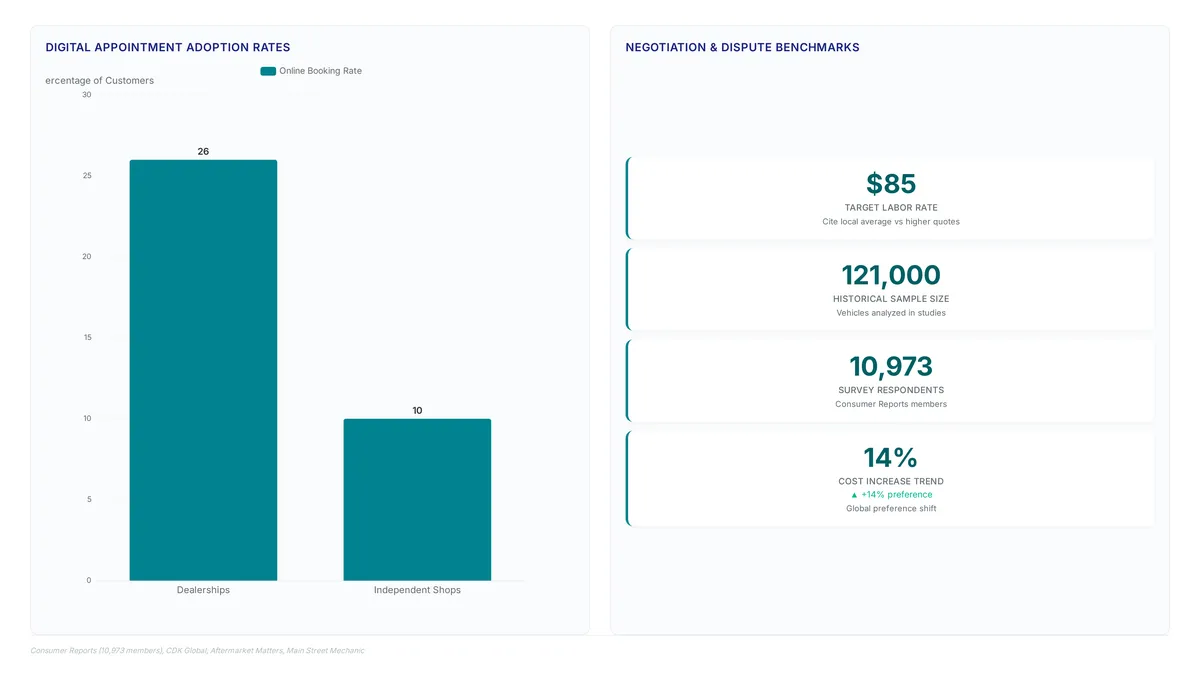
Present the 121,000 vehicles analyzed in historical studies to demonstrate that independent shops successfully complete the majority of non-warranty repairs. This volume proves technicians possess the diagnostic capability to handle your specific vehicle without dealer markup.
- Cite the 14% increase in global preference for aftermarket parts to argue that premium components are now the standard, not a compromise.
- Demand itemization for any part marked "OE-only" by noting that service bulletins are widely available to certified independent technicians.
- Reference the rising consumer shift toward cost mitigation to justify requesting a review of labor hours against the initial estimate.
Shops often assume customers lack data on repair frequency and part availability. Correct this assumption immediately by displaying knowledge of market trends. Some proprietary software updates still require dealership intervention, limiting use on electronic glitches. Mechanical failures tell a different story. Data supports equal competency at lower price points for these issues. Use these statistics to anchor your discussion in facts rather than emotions. Referencing broad industry datasets changes the flexible from a plea for mercy to a technical consultation. This approach forces the service advisor to justify costs with specific engineering constraints rather than brand prestige.
Checklist for Resolving Poor Communication with Repair Shops
Verify the technician holds factory training credentials before authorizing complex diagnostic work. Independent shops often match this expertise while offering improved communication about the repair process than dealer service departments. Follow this validation list to resolve breakdowns:
- Demand written confirmation that parts sourcing matches the agreed estimate specifications.
- Request a detailed timeline update if the repair duration exceeds the initial quote.
- Confirm the shop will contact you before exceeding the authorized budget limit.
- Insist on a post-repair walk-through to verify the problem is fixed.
Vague estimates cost money through repeat visits that void previous warranties. Always secure explicit approval for any deviation from the original scope. KZMALL Auto Parts advises buying the part the vehicle was engineered for, not the one that looks close. Clear communication protocols prevent unnecessary part replacements and ensure accurate billing.
About
Ray Donnelly serves as the Master Automotive Technician and Aftermarket Parts Authority at KZMALL Auto Parts, bringing over two decades of frontline experience to the conversation on independent repair shops. Having owned and operated his own independent service center for seven years, Donnelly understands the critical pressure shop owners face to deliver reliable repairs while managing costs. His daily work involves analyzing fitment data and parts quality to prevent comebacks, directly aligning with survey findings that highlight why car owners trust independents. At KZMALL, a global B2B platform supporting the independent automotive aftermarket, he ensures technicians access certified components with precise ACES/PIES fitment. This expertise allows him to objectively evaluate how independent shops use superior parts sourcing and personalized service to outperform dealerships. Donnelly's insights bridge the gap between technical execution and business viability, proving that independent shops remain the preferred choice for value-driven car owners.
Conclusion
Scaling vehicle maintenance reveals that reliance on dealership exclusivity creates unsustainable operational costs for fleet owners and individual drivers alike. The market shift is not merely about preference but about financial viability, especially when independent repair shops deliver comparable mechanical solutions at significantly reduced rates. Continuing to route standard mechanical failures through dealer channels ignores the proven competency available locally. You should transition your primary maintenance strategy to certified independent providers for all non-proprietary software issues immediately. This shift locks in savings while maintaining technical rigor, provided you enforce strict validation of technician credentials before authorizing work.
Start by auditing your current service contracts this week to identify mechanical repairs currently scheduled for dealer fulfillment. Redirect these specific jobs to independent vendors who can demonstrate factory-level training and offer transparent parts sourcing. Demand written confirmation that parts match original equipment specifications before authorizing any work order. This single step prevents the cascade of vague estimates and repeat visits that erode the initial price advantage. Direct communication regarding budget limits and timeline deviations must become a mandatory condition of service, replacing the but often disconnected protocols of franchise dealerships. By enforcing these specific conditions now, you secure a maintenance pipeline that prioritizes engineering constraints over brand prestige without sacrificing quality or warranty protection.
Frequently Asked Questions
You must visit a dealership for safety sensor recalibration requiring factory software. This constraint exists because [84%](https://www.autocare.org/news/latest-news/details/2024/04/10/survey-84-of-independent-repair-shops-view-vehicle-data- of shops cite data access as their top business issue, legally preventing them from resetting immobilizer modules or aligning radar.
Independent shops often lack the legal credentials to access proprietary data streams needed for diagnostics. Surveys indicate [84%](https://www.autocare.org/news/latest-news/details/2024/04/10/survey-84-of-independent-repair-shops-view-vehicle-data- view this data restriction as their primary hurdle, forcing owners to dealers for complex electronic defects despite mechanical competence.
No, independent technicians generally cannot perform these tasks due to restricted security credentials.
Safety systems like adaptive cruise control require factory-original calibration only dealers typically provide.
Data access limitations dictate your choice, as most shops cannot legally retrieve needed diagnostic codes.
References